Modern Xi’an and Tang-era Chang’an occupy overlapping histories, but they are not interchangeable. A thoughtful history day distinguishes surviving evidence, archaeological interpretation and modern evocations. That distinction makes the city more interesting rather than diminishing its atmosphere.
Begin with a map
Ask a guide to show how the historical capital’s scale and organization relate to the city you see today. A palace site such as Daming Palace can help you think about imperial space, while a museum can provide objects that connect grand planning to daily life. Give each visit a question so the day does not become a recital of dates.
Read objects as evidence
Choose a small group of ceramics, figures or other displayed objects and ask what they suggest about trade, clothing, belief or entertainment. Pay attention to labels and the difference between an original object and a reconstruction. If a museum reservation is unavailable, rearrange the day rather than replacing historical evidence with an unrelated attraction merely to fill time.
Enjoy modern interpretations consciously
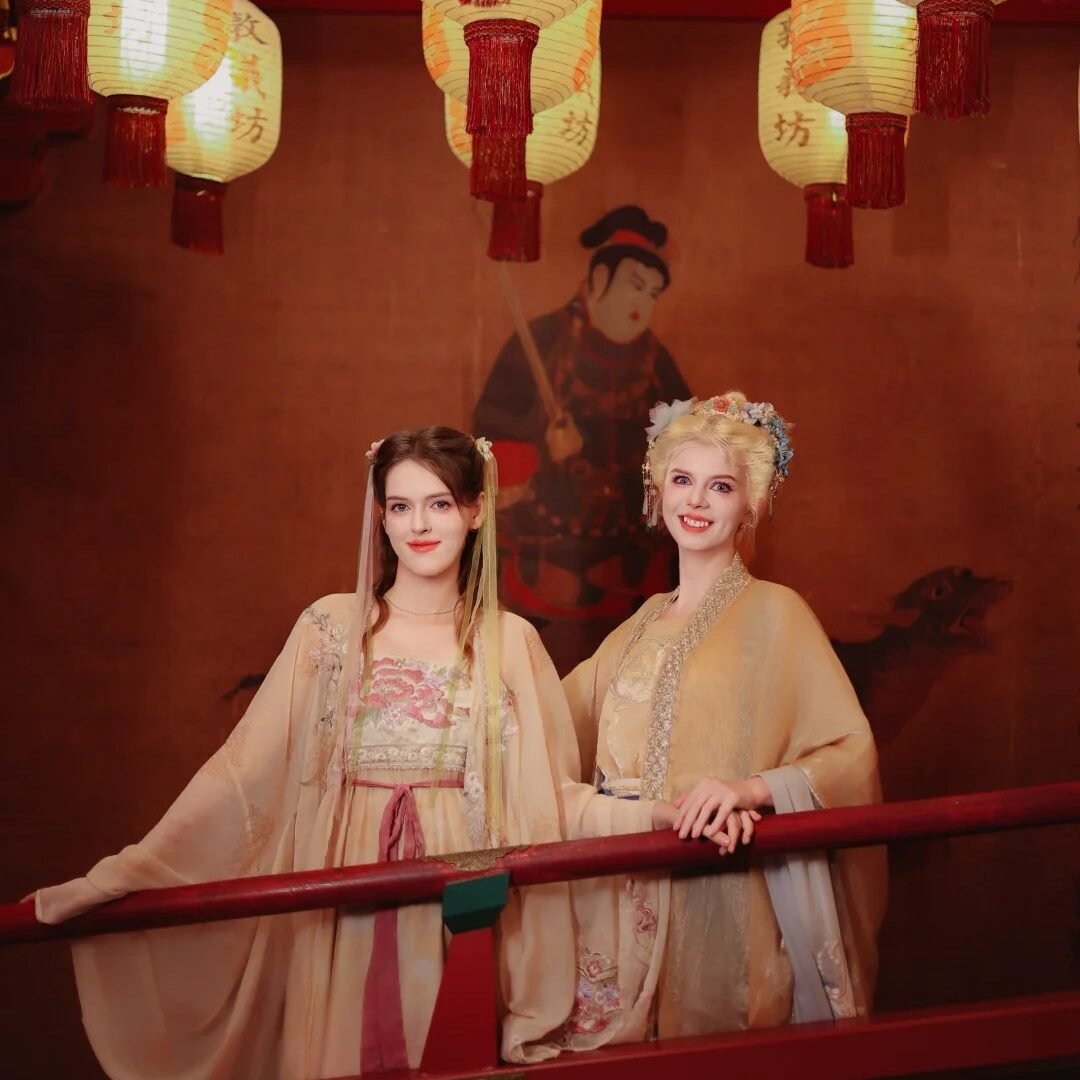
An evening district, costume session or stage show can be enjoyable, but it is a contemporary presentation. Discuss what inspired it and where artistic invention begins. This allows you to appreciate the spectacle without mistaking it for an untouched fragment of the past. End with a walk or meal that links the historical discussion to today’s city. The most rewarding encounter with Chang’an is a conversation between what survives, what can be inferred and what later generations choose to imagine.