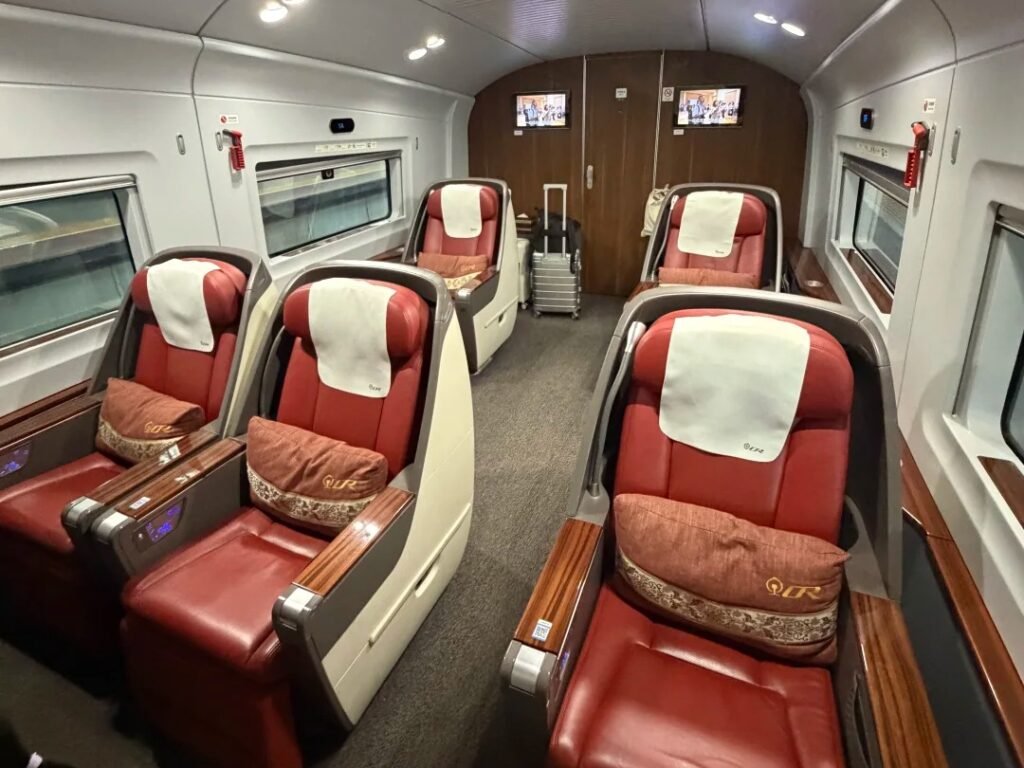
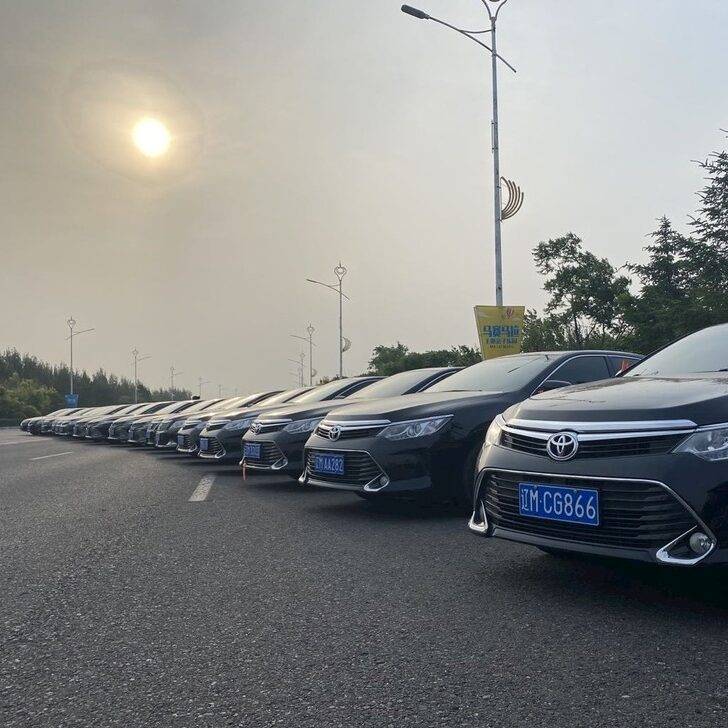
Private transport and scheduled transport solve different parts of a China journey. A car is useful for connecting doors and making local stops; trains and flights can handle longer intercity distances. The most comfortable route often combines them instead of treating one as inherently superior.
Look for the difficult edges
An early hotel departure, a station arrival with several suitcases or a rural attraction beyond convenient public transport can justify a private transfer. Ask exactly where pickup occurs and how the driver will contact you. The benefit is reduced coordination at a specific point in the day, not a promise that road travel is always faster.
Keep long distances realistic
Before replacing a train or flight with a drive, compare total time, road conditions, stops and the driver’s working arrangements. A scenic road journey can be an experience in itself if you want the scenery and have enough days. It becomes less appealing when used only to avoid understanding a railway station.
Plan the handoffs
Give each provider the confirmed arrival details and the correct hotel or station address. Clarify waiting allowances and who handles a delayed connection. Keep contact information available offline. If an operator sells a combined journey, ask which bookings are protected together and which remain separate. Comfort comes from smooth transitions, reasonable hours and a route suited to the travelers. A well-planned train ride with a simple arrival transfer may achieve more than a full day in an expensive vehicle.