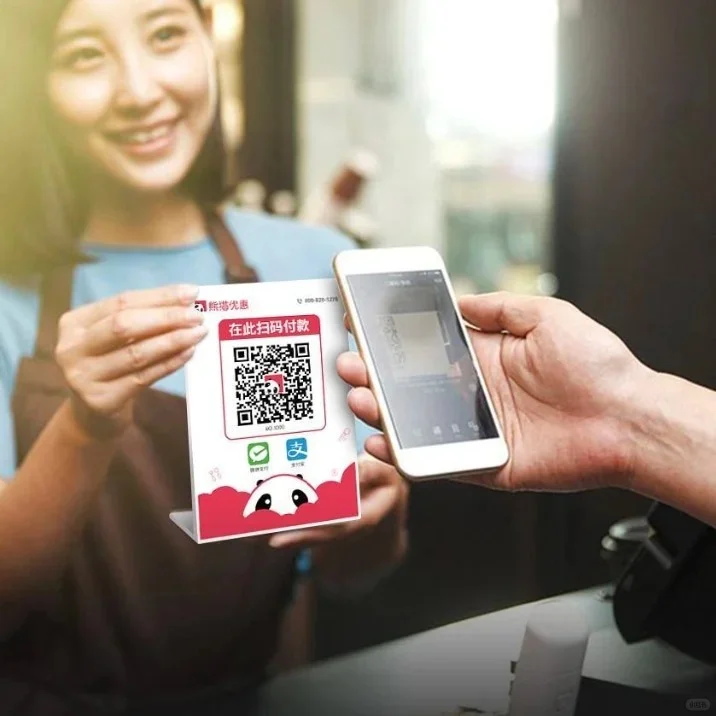
The most useful travel phone covers a few functions reliably: communication, navigation, translation, payments and booking access. Installing many apps at the airport can create more work than it solves. Prepare a small set before departure and understand which tasks each one will handle.
Connect the essentials
Agree with your guide or host how you will communicate. Save hotel addresses and meeting instructions in a form you can retrieve without searching an email archive. Prepare a translation tool with offline resources where offered, and test it on short practical phrases. Navigation should include the correct entrance or station exit when that distinction matters.
Set up accounts in advance
Use official distribution channels and your own account details. Complete necessary verification while you can contact your bank or telephone provider. For railway bookings, consult the official 12306 service; for other reservations, retain the original provider’s confirmation. Do not assume that a screenshot of a search result is a valid booking.
Plan for the phone to fail
Keep essential addresses and contacts outside the device, and ensure another adult can access shared itinerary information. Bring a charging plan consistent with transport rules. Review app permissions and avoid giving an unfamiliar helper control of financial accounts. The goal is not a definitive ranking of apps, whose features can change. It is a simple workflow that lets you find the hotel, contact the right person and pay for an ordinary purchase even if one service is unavailable.
Official references and further reading
References checked 6 September 2026. Recheck operational requirements before travel.